
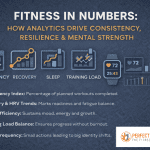
Fitness in Numbers: How Analytics Drive Consistency, Resilience & Mental Strength
January 10, 2026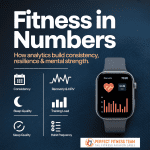
Fitness in Numbers: Using Analytics to Build Consistency, Resilience & Mental Strength
January 31, 2026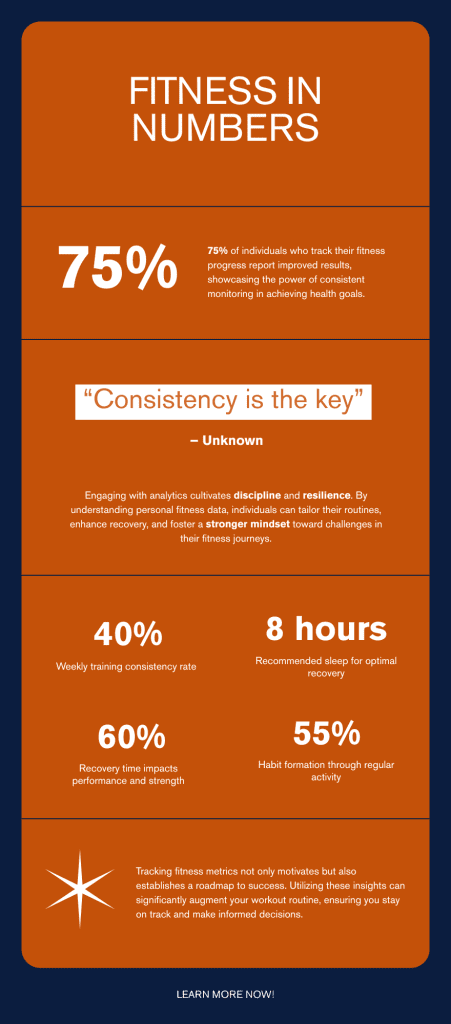
In today’s fitness landscape, data has become one of the most powerful tools for transformation — even more influential than motivation. From wearable devices and apps to training dashboards and health analytics, fitness performance has evolved from guesswork into measurable patterns of behaviour.
At Perfect Fitness Team, we use analytics not just to measure progress — but to understand behaviour, predict outcomes, and optimize habits that lead to long-term success.
1. Consistency: The Analytics That Predict Success
Consistency is the most reliable predictor of long-term fitness success — and analytics make that predictability visible.
Across major fitness platforms:
- Users who train consistently (3–5 days/week) sustain measurable gains long term
- Streak tracking increases adherence significantly
- Visualization of progress boosts motivation and accountability
Research has shown that when activity becomes trackable — for example through weekly training logs or mobile health data — people are more likely to stick with their routines and less likely to drop out compared to those who train without tracking. This aligns with the behavioural principle that what gets measured gets managed.
2. Micro-Metrics Build Macro-Results
Analytics go beyond the workout itself — they help you see the factors that influence the workout.
Key metrics include:
🔹 Recovery & Heart Rate Variability (HRV)
Tracking recovery helps you understand when your body is prepared for intensity and when it needs rest. Athletes who monitor HRV consistently perform better and avoid overtraining.
🔹 Sleep Quality
Sleep data predicts performance: consistent, high-quality sleep correlates with improved strength, endurance and mental focus.
🔹 Training Load Balance
Balanced training distribution over time, as shown in load analytics, minimizes injury risk and supports steady progression.
By breaking performance into sub-metrics, analytics help you see the pattern behind progress. This enables smarter training decisions rather than pushing blindly.
3. Identity Through Data: Analytics Reinforce Behaviour
Behavioural science tells us that identity influences long-term habits more than goals alone. Fitness analytics amplify that identity shift by providing measurable evidence of who you are, not just what you want to be.
Seeing consistent streaks, regular habit completions and steady progress charts creates a self-image that reinforces discipline:
“I am someone who trains regularly.”
“I am someone who prioritizes recovery.”
“I am someone who respects my body and habits.”
These repeated patterns — powered by data — reduce friction and help behaviour become automatic.
4. Analytics Strengthen Mental Resilience
One of the most underrated aspects of tracking fitness data is its impact on mental strength.
Analytics help reduce ambiguity and emotional uncertainty — two major barriers to long-term adherence. When you can see progress over time, trust the training process, and understand how your habits impact outcomes, your confidence grows.
Studies support that structured tracking is associated with:
- Improved emotional regulation
- Lower anxiety around performance
- Accountability that replaces self-doubt with clarity
In essence, analytics train the mind just as much as the muscles.
5. The Most Predictive Analytics for Fitness Success
Here are the analytics that most directly correlate with sustainable transformation:
📊 Consistency Index
Tracks how often workouts are completed as scheduled.
📈 Recovery Trends
Shows readiness and fatigue balance over time.
🌙 Sleep Quality Metrics
Predicts performance and mental focus.
📦 Training Load & Balance
Indicates whether your plan promotes progress or overload.
🧠 Habit Frequency Score
Measures how regular your fitness behaviours are — the strongest predictor of identity formation.
Together, these metrics reveal not just what you’re doing, but how your body and behaviour are adapting.
Conclusion: Let Data Become Your Guide
Fitness analytics are not about obsessing over numbers — they’re about learning from them.
Data turns ambiguity into insight, confusion into clarity, and motivation into consistent action.
At Perfect Fitness Team, we help you turn analytics into strategic decisions — helping you train smarter, grow stronger, and build a fitness identity that lasts.
Fitness isn’t just about effort —
It’s about intelligence.
And analytics are the map.