
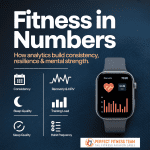
Fitness in Numbers: Using Analytics to Build Consistency, Resilience & Mental Strength
January 31, 2026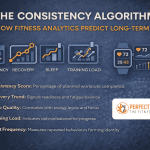
The Consistency Algorithm: How Fitness Analytics Predict Long-Term Results
February 18, 2026
Fitness is no longer driven by guesswork. The modern fitness journey is powered by data, behaviour patterns, and measurable consistency. Whether through wearables, training logs, recovery metrics, or habit tracking apps, analytics now play a central role in shaping sustainable transformation.
At Perfect Fitness Team, we see analytics not as numbers — but as insights into behaviour. And behaviour is what determines long-term results.
1. Consistency: The Metric That Predicts Everything
Across fitness platforms and training programs, one insight consistently appears:
Consistency is the strongest predictor of long-term success.
Users who maintain regular training schedules — even at moderate intensity — outperform those who train intensely but inconsistently. Analytics dashboards make this visible by tracking:
- Training frequency
- Weekly adherence
- Habit completion
- Missed-session patterns
Once consistency becomes measurable, it becomes easier to manage. Visual progress graphs reinforce commitment and reduce drop-off.
2. Micro-Metrics That Drive Macro Results
Fitness analytics go beyond workouts. They track the conditions that determine how well those workouts perform.
Recovery & HRV
Recovery metrics indicate readiness. When recovery trends are monitored, people can adjust intensity, reducing burnout and improving sustainability.
Sleep Analytics
Sleep quality strongly correlates with energy levels, mood stability, and performance output. Tracking sleep helps identify patterns that affect discipline and recovery.
Training Load Balance
Balanced load distribution ensures progress without injury or overtraining. Analytics highlight when intensity is too high or too low.
These micro-metrics allow individuals to make informed adjustments rather than relying on intuition alone.
3. Analytics Reinforce Identity
Behavioural research shows that identity-based habits last longer than goal-based habits. Analytics accelerate identity formation by providing measurable proof of behaviour.
When people see:
- Consistent workout streaks
- Weekly activity summaries
- Progress trends
They shift from saying “I want to get fit” to “I am someone who trains regularly.”
This identity shift is critical. Once behaviour aligns with identity, discipline becomes automatic rather than forced.
4. Mental Strength Is Built Through Feedback
Fitness analytics reduce uncertainty. Instead of relying on mood or motivation, individuals rely on patterns and feedback.
Tracking helps:
- Reduce anxiety around progress
- Improve focus and planning
- Reinforce self-control
- Build resilience through structure
Data makes progress visible — and visibility builds confidence.
5. The Five Most Predictive Fitness Metrics
Based on performance and behavioural analysis, the most reliable predictors of long-term results are:
Consistency Score – number of workouts completed
Recovery Trend – readiness and fatigue balance
Sleep Quality – energy and mental clarity
Training Load Balance – sustainability of progress
Habit Frequency – repeated behaviours forming identity
Together, these metrics provide a clear picture of not just performance — but behaviour patterns that drive performance.
Conclusion: Analytics Turn Effort Into Strategy
Fitness analytics are not about obsessing over numbers. They are about understanding patterns, identifying gaps, and making smarter decisions.
When data informs discipline:
- Consistency improves
- Resilience grows
- Mental strength strengthens
- Results become predictable
At Perfect Fitness Team, we believe that the strongest transformations happen when effort is guided by insight.
Your data tells your story.
Your habits shape your identity.
Your consistency determines your results.