
Fitness in Numbers: How Analytics Drive Consistency, Resilience & Mental Strength
January 28, 2026
From Data to Discipline: How Fitness Analytics Predict Consistency, Resilience & Real Results
February 7, 2026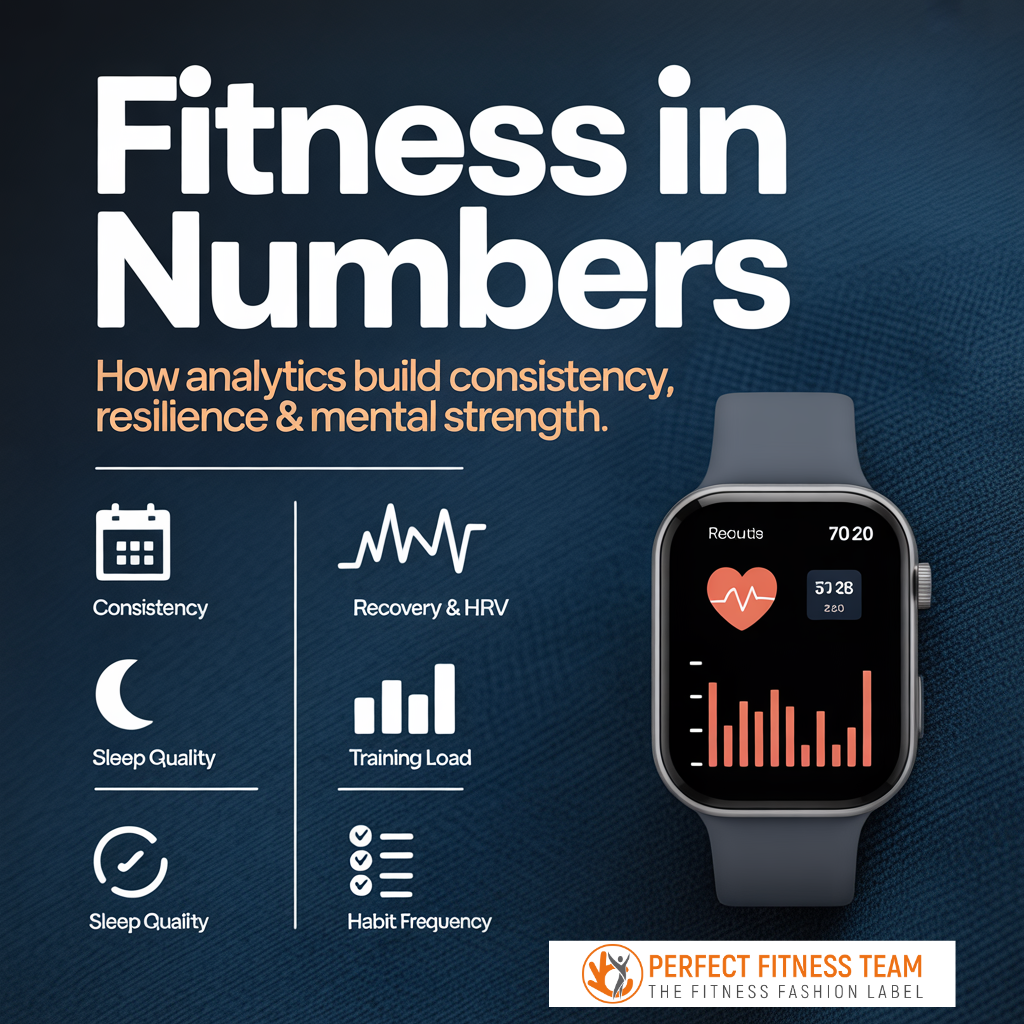
In a world powered by data, fitness has evolved beyond “hard work” and into smart work. Today’s fitness success isn’t just about showing up — it’s about tracking what matters, analyzing patterns, and using insights to drive better decisions, stronger habits, and long-term strength.
At Perfect Fitness Team, we believe that fitness analytics are the backbone of lasting progress. When you understand your data, you unlock clarity, consistency and confidence.
Let’s unpack how analytics help leaders in fitness build not just stronger bodies — but stronger minds.
1. Why Analytics Matter More Than Ever
Fitness analytics refers to gathering and interpreting data about your physical activity — from training logs and wearable stats to recovery scores and sleep patterns. According to industry reports, users who regularly track their fitness data have a higher probability of consistency and adherence compared with those working without measurable feedback.
Here’s why this matters:
📌 Analytics make progress measurable
📌 They reveal behaviour patterns that drive success
📌 They help athletes and beginners train smarter, not just harder
2. Metrics That Predict Consistency and Success
Here are the fitness metrics most strongly linked to sustained progress:
🔹 Workout Consistency (Frequency Tracking)
Consistency in workouts is the strongest predictor of long-term results. People who maintain structured schedules and track training days are more likely to stay committed.
Data trend insights:
- Regular logging increases accountability
- Weekly patterns reduce drop-off rates
- Users who track drive long-term behavior
🔹 Recovery Scores & Heart Rate Variability (HRV)
Recovery scores and HRV show how ready your body truly is for performance. These metrics help:
- Reduce injury risk
- Balance intensity with rest
- Show when to push — and when to pause
According to sports science research, training without monitoring recovery can lead to burnout and decreased performance.
🔹 Sleep Quality Analytics
Sleep is a cornerstone of performance. Analytics reveal how pre-training and post-training sleep changes impact strength, focus and motivation. Studies link better sleep quality with improved emotional regulation and resilience — key psychological components of fitness longevity.
🔹 Habit Frequency & Behaviour Trends
Small wins become big outcomes. These metrics show how often you follow through on routines — like hydration, nutrition, mobility, steps or cardio goals. Behaviour analytics help reveal why certain routines stick and others don’t.
3. Data Builds Resilience & Mental Strength
Analytics don’t just track external metrics — they help develop internal capabilities like resilience and mental toughness.
✅ Seeing consistent progress reinforces belief systems
✅ Tracking recovery and resting heart rate strengthens self-awareness
✅ Visualizing trends over weeks combats emotional fluctuation
✅ Habit graphs replace self-doubt with confidence
In other words: You don’t just become physically stronger — you train your mind to be disciplined, resilient, and consistent.
4. Turning Data Into Action
Here are tips for translating analytics into impact:
📍 Track daily, not just weekly — small data builds big patterns
📍 Review trends weekly — adaptation is strategic, not reactive
📍 Optimize recovery — don’t ignore HRV and sleep analytics
📍 Use visual dashboards — charts and streaks reinforce identity
📍 Celebrate habits, not just results — consistency beats short bursts
5. Conclusion: Analytics Are Your Fitness Edge
Fitness analytics aren’t about obsessing over numbers — they’re about using data to make smarter decisions. When you understand your patterns, you can:
✔ Predict setbacks
✔ Maintain consistency
✔ Build resilience
✔ Strengthen mental focus
✔ Train with purpose
At Perfect Fitness Team, data helps us design programs that align science with daily behaviour — turning workouts into results, and goals into sustainable lifestyles.
Fitness isn’t random —
It’s measurable.
It’s trackable.
It’s predictable.
And that’s what makes it powerful.